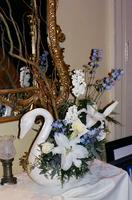
The highest end for quality, and most expensive flowers come from Holland, California, Ecuador and Israel in my experience. This may or may not have to do with where they are from but what they are selling. Israel has lisianthus farms that produce the most spectacular product, and Holland grows the high-end detail flowers like lily of the valley, sweet pea, grape hyacinth as well as high detail and prime quality roses, the French variety of tulips, hyacinths, and daffodils.. There are some farms in Ecuador that have some of the largest roses I have ever seen. Not only the size is amazing, but so isn't the vase life of these flowers from growers such as InRoses and BellaRosa. California can be considered on par with Holland and Israel for general products such as roses, stock, and other cut flowers When at all possible, purchasing the in-season domestic florals are the best for longevity and quality.
I have talked about "brokers" here, but I think I need to expand upon the importing and shipping cycle.
All non-domestic flowers are harvested, checked for quality, super charged with preservatives for the shipping cycles stasis that they will enter, sleeved and then cooled and put into a limbo or stasis just above freezing and boxed. This stasis slows down the life cycle of the flower. It prevents the rapid acceleration and blooming during the shipping process. Once in stasis, the flowers are then put on to refrigerated trucks and shipped to the airport where they sit waiting for the cargo carriers to load them into temperature controlled bays on the airplanes bound for Miami.
The flowers being imported from all around the world is done by brokers, these people place huge orders from multiple farms then wait for U.S. Customs to sign off on their incoming shipment. From farm harvest to clearing customs, the time frame is about 2-5days depending on the import volume. The flowers are then given to the importer or broker who then loads them on to a refrigerated truck and delivers them all over the United States. This can take from 1-3 days for trucking, then the wholesalers have to sell their inventory over the course of a 5 or 7 day week depending on their business model. Once sold from the wholesaler to the florist, the flowers can sit in the florists cooler for that weeks sales. Depending on the variety of the flower they typically only are in the cooler for that week, before they either are considered secondary market product (really cheap, and good for cheap events or funeral work) or ready for the dumpster because they are rotting. Flowers such as carnations and poms can weather the 2nd weeks worth of sales and still give the customer a valuable product to enjoy.